Australian Fashion Week Returns to the Harbour
A New Chapter at the Museum of Contemporary Art
In 2026, Australian Fashion Week will unfold against one of the most recognisable backdrops in the world.
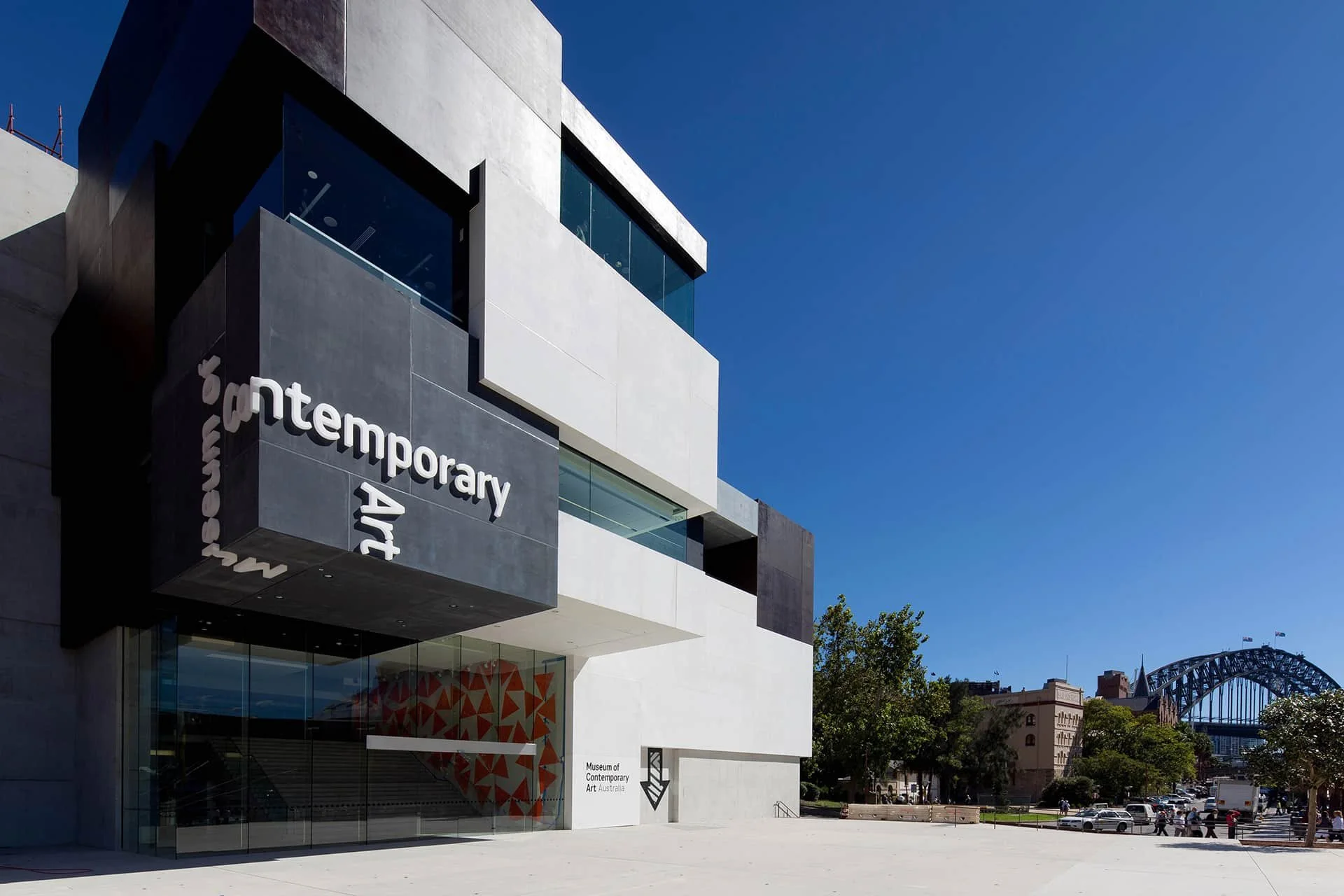
After years inside the industrial vastness of Carriageworks, the event is relocating to the Museum of Contemporary Art on Sydney Harbour. The shift replaces cavernous brick warehouses with water, light, and one of the city’s most iconic cultural landmarks.
This is not simply a venue change. It is a repositioning.
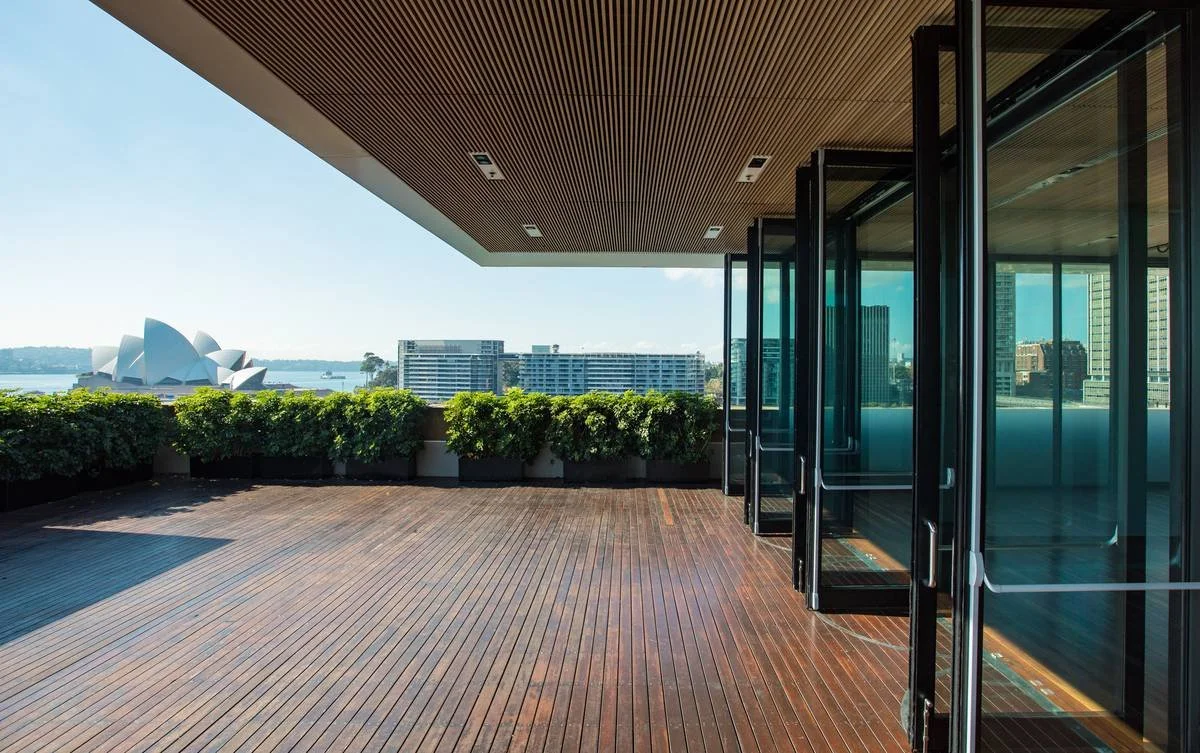
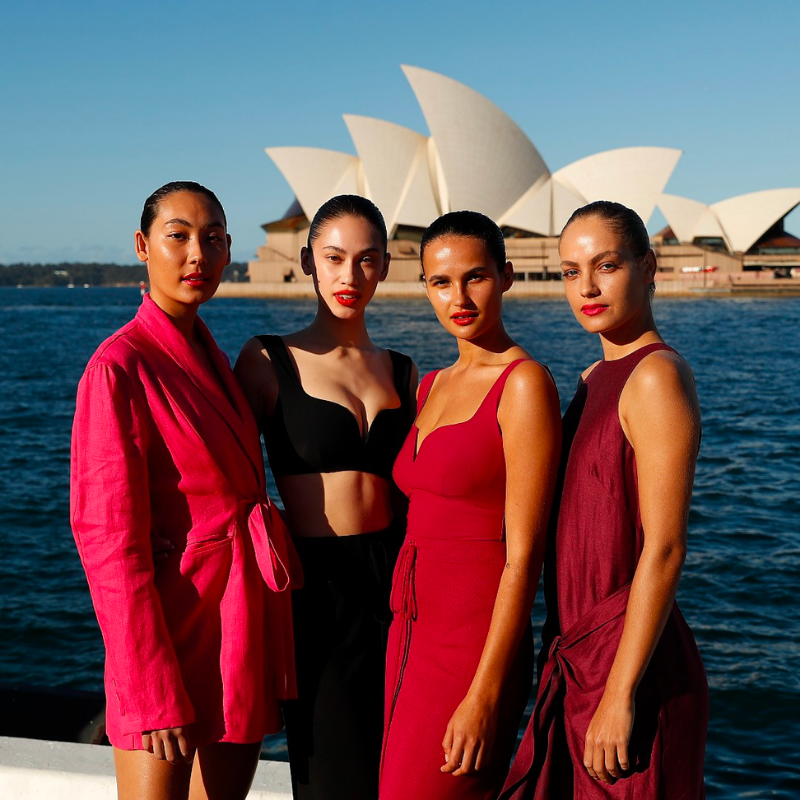
The move places Australian Fashion Week back in Circular Quay, just steps from the Overseas Passenger Terminal, where the event was staged from 2003 to 2012. For many within the industry, it feels like a return to its harbour-front origins, but with a renewed mandate.
Marianne Perkovic, Executive Chair of the Australian Fashion Council, described the relocation as an important turning point. The Museum of Contemporary Art offers an internationally recognisable setting that aligns with the creative ambition and global outlook of Australian designers. It also signals a more connected and outward-facing format for the week ahead.
Understanding Australian Fashion Week
Australian Fashion Week was established in 1996, created to give Australian designers a formal platform to present collections to buyers and media. At the time, fashion weeks around the world were consolidating power as key trade moments in the industry calendar. Australia needed its own stage.
Globally, fashion weeks exist for a simple reason: commerce and communication. They were originally designed as industry-only trade events where designers could present collections to retail buyers months before garments would arrive in store. Editors would attend to forecast trends, photographers would document the moment, and orders would be placed.
Over time, these events evolved into global cultural spectacles. The international calendar now runs in a precise rhythm: New York, London, Milan, Paris. Menswear, couture, ready-to-wear, resort. Each city has its identity and strategic place in the ecosystem.
Australian Fashion Week occupies a unique position within that structure. Held in May, it primarily showcases Resort collections, which align with Australia’s climate and retail cycle. It also acts as the primary gateway for international buyers and media to discover Australian talent in a concentrated, curated format.
From Industrial Edge to Cultural Landmark
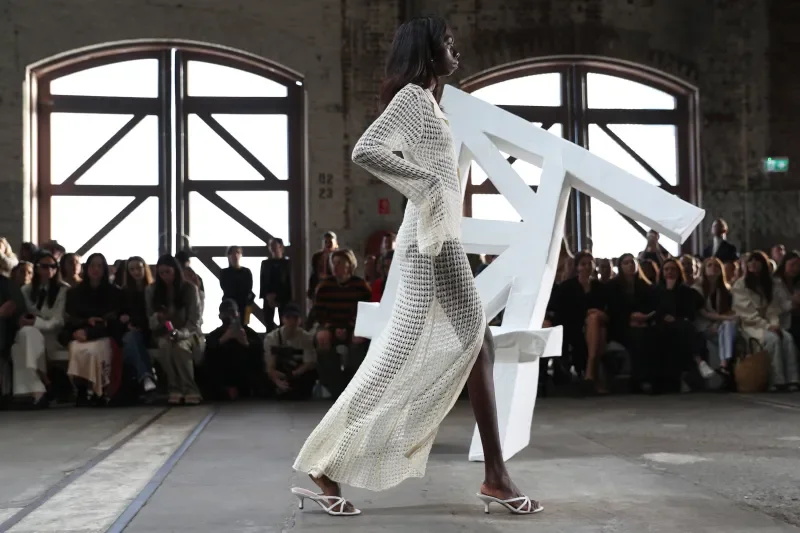
Carriageworks served Australian Fashion Week for over a decade. Its expansive, industrial interiors allowed for multiple runways, immersive installations, and a scale that mirrored larger international counterparts. It supported an era where spectacle became central to fashion week storytelling.
The Museum of Contemporary Art represents a different energy.
Situated in the heart of Sydney, overlooking the harbour, the MCA is cultural rather than industrial. It is refined, central, and symbolically powerful. The harbour backdrop is globally recognisable. It anchors Australian Fashion Week firmly within the city’s most iconic precinct.
Location matters in fashion. Cities like Paris and Milan leverage architecture and cultural landmarks as part of their brand narrative. By returning to the harbour, Australian Fashion Week aligns itself more visibly with Sydney’s international identity.
The Global Calendar Context
To understand the importance of this shift, it is essential to see Australian Fashion Week within the broader international calendar.
The “Big Four” fashion capitals dominate February and September with ready-to-wear collections. Couture occupies January and July in Paris. Resort, once shown privately, has become a powerful commercial category bridging seasonal gaps.
Australian Fashion Week’s May timing allows designers to present Resort collections in alignment with the Northern Hemisphere’s buying calendar while also reflecting Australia’s own seasonal needs. It is strategically positioned between the major global circuits, offering international buyers a dedicated moment to focus on Australian talent.
For emerging designers, the event provides exposure that would otherwise require costly overseas showings. For established labels, it reinforces brand equity and media visibility. For the broader industry, it sustains manufacturing, wholesale relationships, and international partnerships.
What This Means for Australian Fashion
The 2026 dates, May 11 to 15, were announced relatively close to the event itself. Yet the sense of anticipation is palpable.
The relocation anchors Australian Fashion Week in Sydney’s cultural epicentre for the first time in over a decade. It signals ambition, confidence, and a renewed commitment to global relevance.
Fashion weeks are never just about clothes. They are economic drivers, cultural platforms, and national statements. They attract international press, stimulate tourism, support creative industries, and project soft power.
In 2026, against the backdrop of the Museum of Contemporary Art and Sydney Harbour, the event enters its next chapter.
And with it, Australian fashion steps forward once again onto a global stage.