
The Met Gala, decoded
From historic themes to the looks that defined fashion’s most watched red carpet
Every year, the Met Gala sets the tone for how fashion is interpreted, consumed and remembered. It is not just a red carpet. It is a cultural marker, where clothing becomes commentary.
As we approach the 2026 edition, the conversation feels particularly relevant. This year’s theme, “Costume Art”, paired with the dress code “Fashion Is Art,” focuses on the body as a canvas and fashion as a form of artistic expression.
For the Australian fashion industry, and particularly through the lens of the Australian Fashion Federation, the Met Gala continues to offer something more than spectacle. It reveals how storytelling, identity and craftsmanship evolve over time.
What to expect from the 2026 Met Gala
The 2026 exhibition will bring together garments, sculpture and fine art spanning thousands of years, exploring how clothing shapes the human form and how the body is represented in art.
This suggests a shift away from literal interpretations of theme and toward something more conceptual. Expect:
Sculptural silhouettes
Anatomical references
Textures that mimic marble, skin or movement
A stronger overlap between couture and fine art
It is one of the most open briefs the Met has offered in recent years, which often leads to either brilliance or confusion.
The Met Gala has always thrived on controversy
Fashion’s biggest moments are rarely safe. They sit somewhere between admiration and critique. The outfits that last are often the ones that divide opinion.
Below, a look at some of the most memorable and controversial Met Gala moments that continue to shape how we understand fashion today.
When fashion became performance
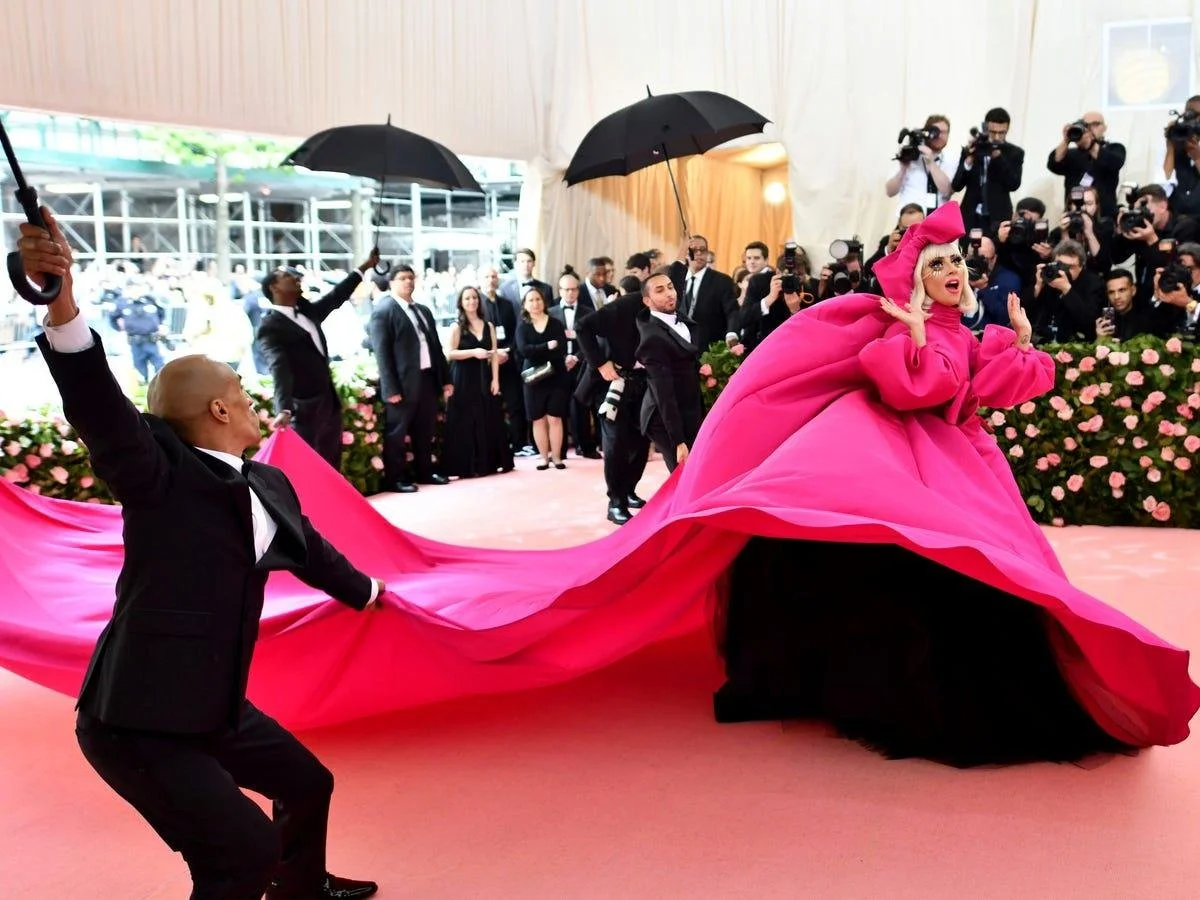
Lady Gaga in Brandon Maxwell, 2019
The 2019 theme, “Camp: Notes on Fashion,” encouraged exaggeration and theatricality. Lady Gaga delivered both, arriving in a voluminous pink gown before stripping down through four outfit changes on the carpet.
It was not just a look. It was a performance.
And it redefined what a red carpet moment could be.
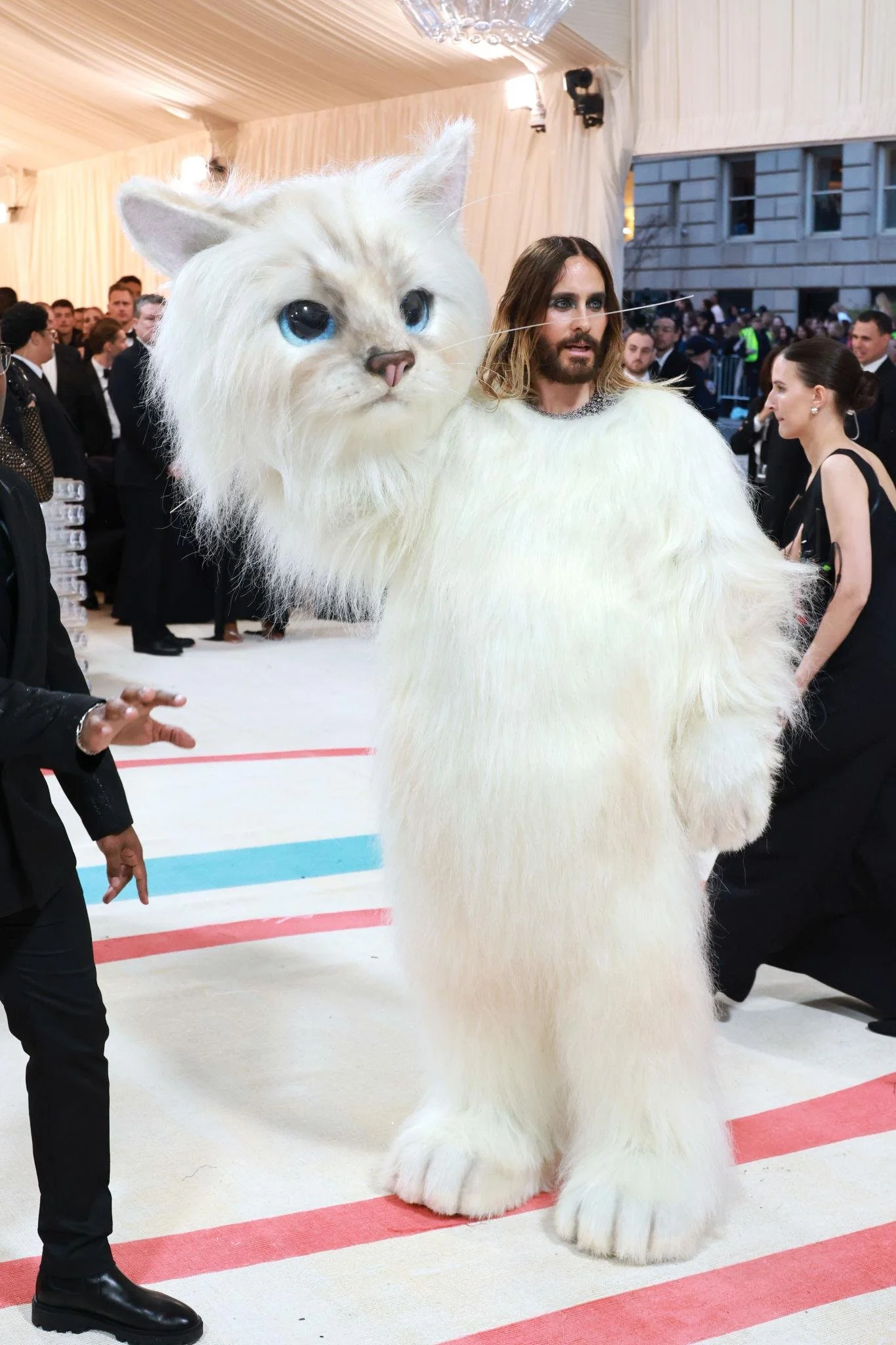
Jared Leto in Schiaparelli, 2023
For the Karl Lagerfeld tribute, Jared Leto arrived as Choupette, Lagerfeld’s cat. The full-body costume blurred the line between homage and spectacle.
It was widely shared, widely debated, and ultimately successful in one key metric: memorability.
The looks that changed red carpet expectations
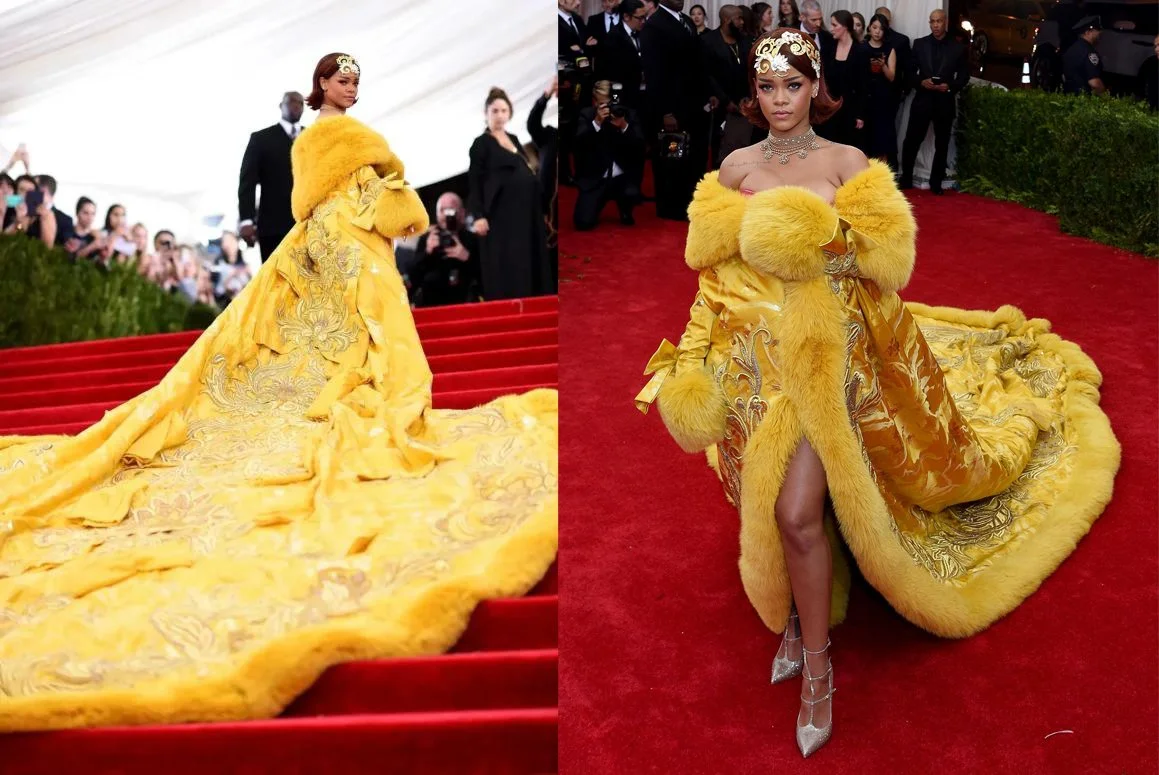
Rihanna in Guo Pei, 2015
Arguably one of the most iconic Met Gala looks of all time. Rihanna’s imperial yellow cape, designed by Guo Pei, took two years to make and required multiple assistants to carry.
It perfectly embodied the theme while also shifting expectations. After this, “playing it safe” at the Met Gala felt outdated.
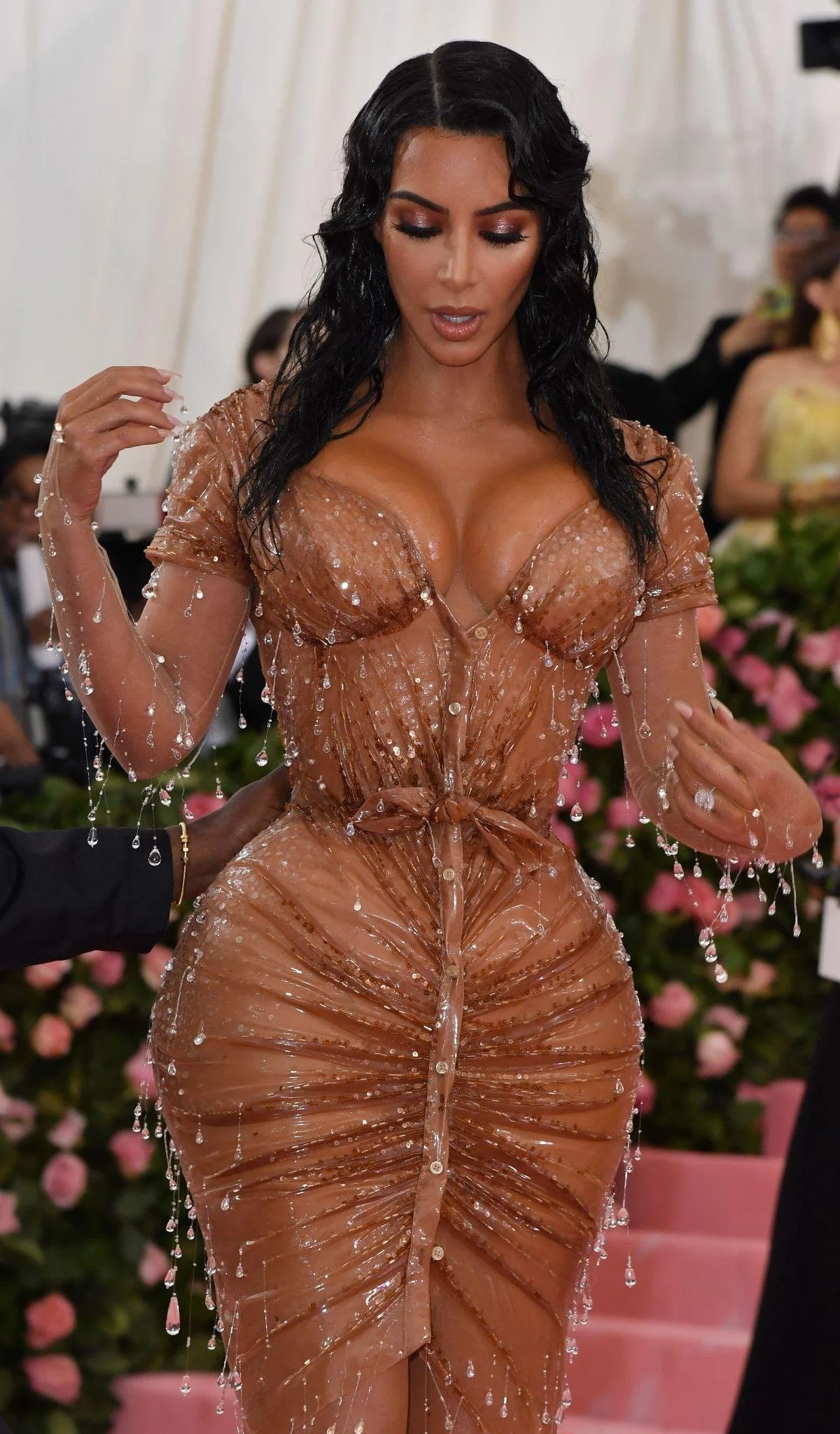
Kim Kardashian in Mugler, 2019
The “wet look” dress became instantly recognisable. Designed by Thierry Mugler, it was engineered to mimic water droplets on skin.
It was also physically restrictive, reinforcing the idea that fashion at this level often prioritises visual impact over comfort.
When fashion crosses into controversy
Kim Kardashian’s decision to wear Marilyn Monroe’s original 1962 dress sparked immediate backlash.
Critics argued that the garment was a piece of fashion history that should not be altered or worn again. Reports that the dress may have been damaged intensified the debate.
The moment highlighted a growing tension in fashion:
Where is the line between preservation and performance?
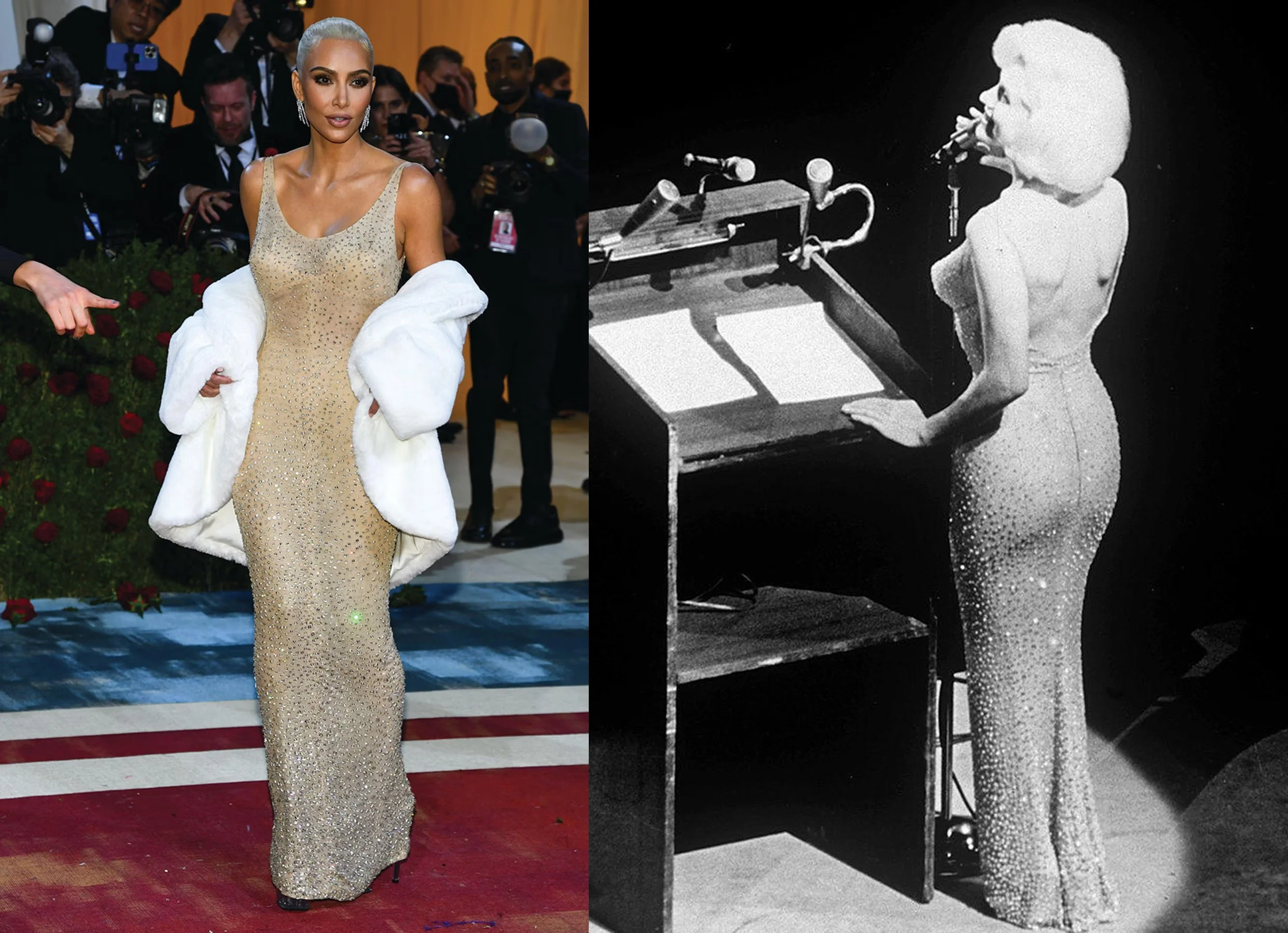
Kim Kardashian in Jean Louis, 2022 (Left) Marylin Monroe in Jean Louis, 1962 (Right)
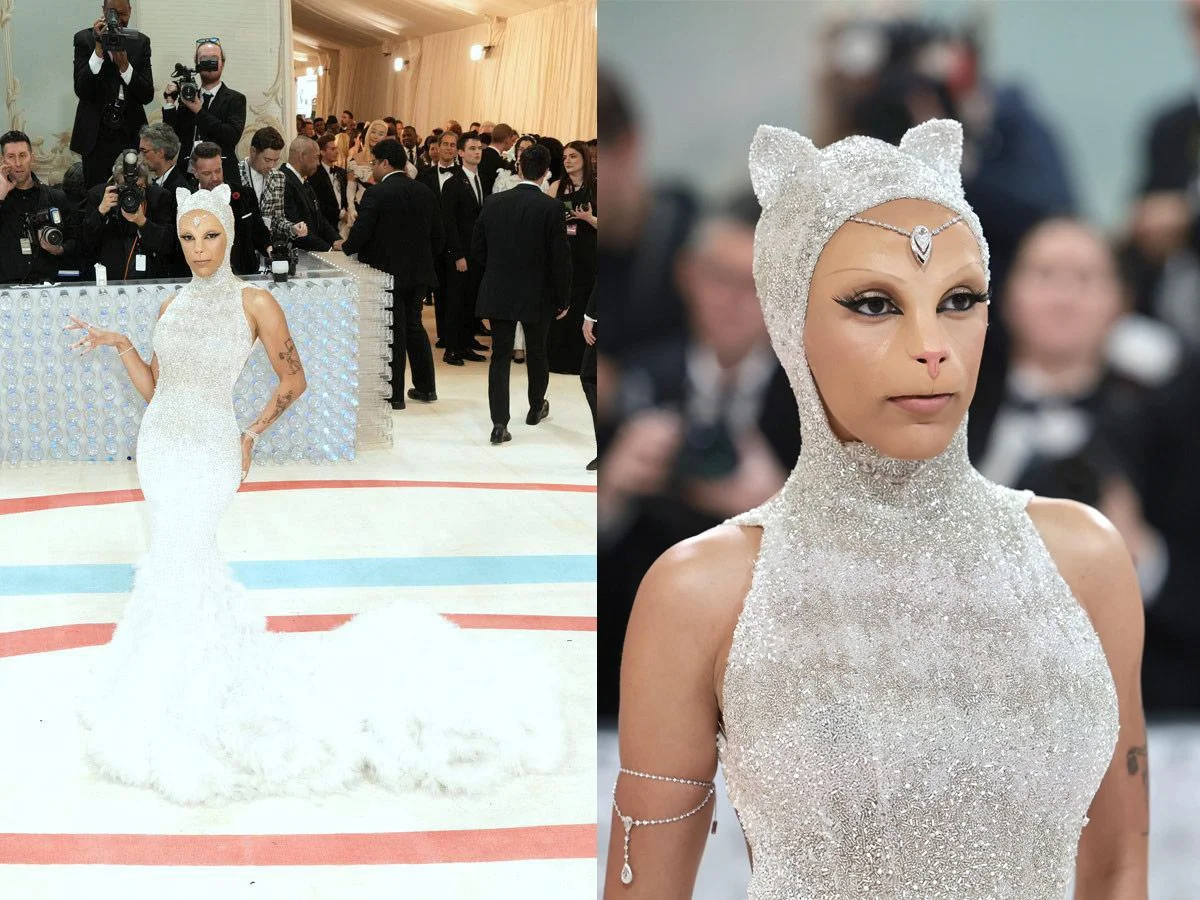
Doja Cat in Oscar de la Renta, 2023
Doja Cat leaned fully into character, appearing as Choupette with prosthetics and answering interview questions only with “meow.”
It raised questions around performance versus fashion, but also reinforced the Met Gala as a space where identity itself becomes part of the look.
The origins of shock value
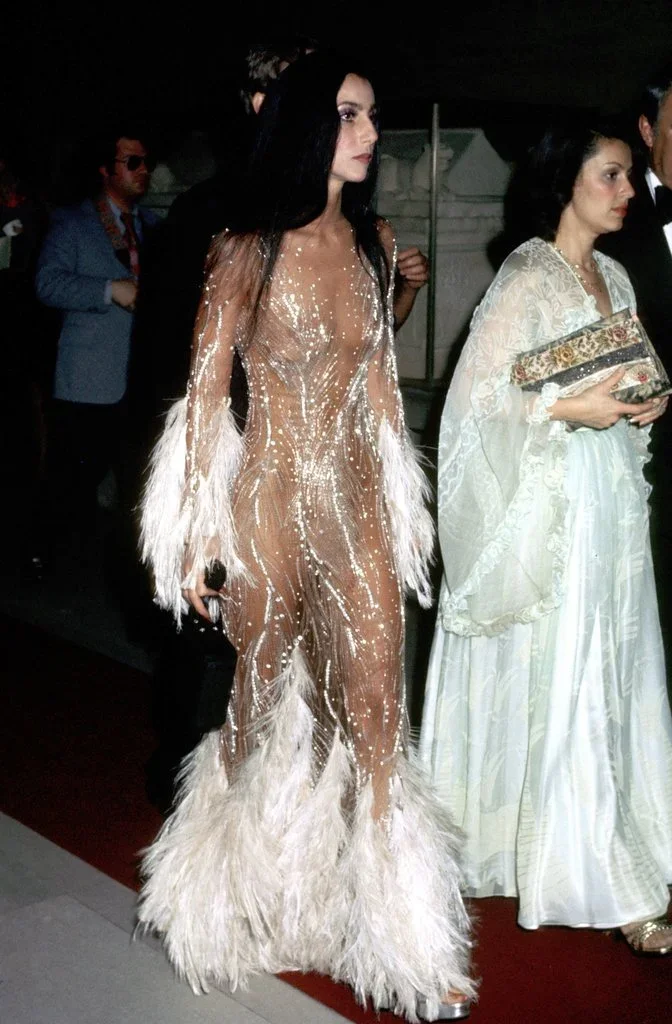
Cher in Bob Mackie, 1974
Long before social media, Cher set the blueprint for shock dressing with her sheer “naked illusion” gown.
It challenged ideas of modesty and red carpet etiquette, and is often cited as one of the first truly controversial Met Gala looks.
New generation, new narratives
Tyla’s sculpted sand dress blurred fashion and material experimentation. The garment had to be carried up the steps and dissolved after the event.
It captured a new direction for the Met Gala: fashion as temporary, conceptual and almost performative sculpture.
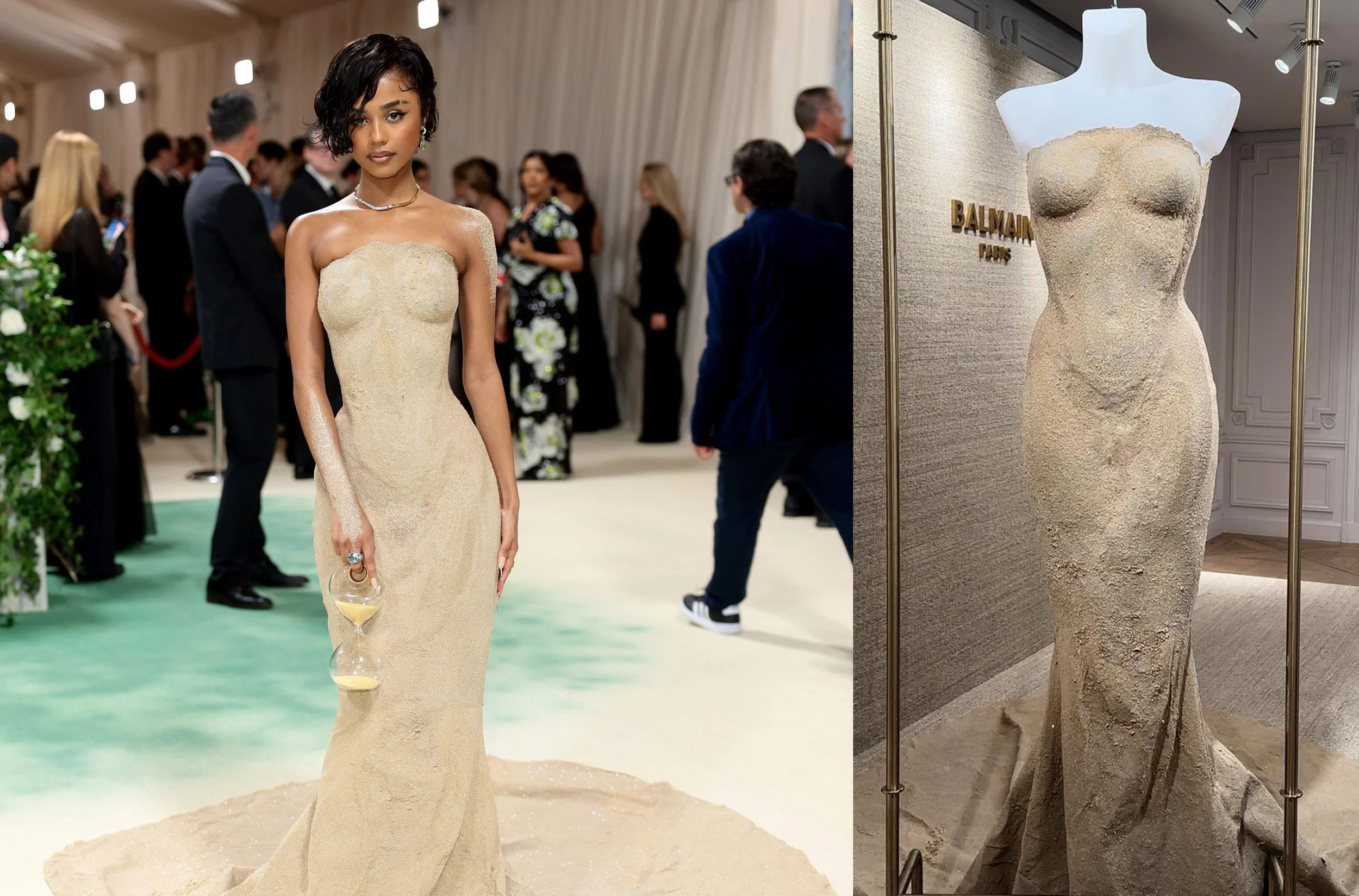
Tyla in Balmain, 2024
The Met Gala is often dismissed as spectacle. But its influence is real.
It shapes trend cycles
It reframes how fashion is communicated
It pushes designers toward more conceptual thinking
The most successful Met Gala looks are not just visually striking. They are aligned, intentional and unmistakably authored.
Looking ahead
With “Fashion Is Art” as the 2026 directive, we are likely to see a more intellectual approach to dressing. Less literal, more interpretative.
The question is not who will be best dressed, it is who will best understand the brief and, as always, who will push it just far enough to be remembered.